
Honoring the Legacy: Celebrating D-Day and Its Impact on History
The morning of June 6, 1944, marked a turning point in world history. Known as D-Day, this massive Allied invasion of Nazi-occupied France changed the course of World War II and shaped the future of Europe. Each year, people around the world remember and honor the bravery, sacrifice, and determination of those who took part in this pivotal event. Understanding D-Day’s significance helps us appreciate the courage it took and the lasting impact it has on our world today.

The Scale and Strategy of D-Day
D-Day was the largest seaborne invasion in history. Over 156,000 Allied troops from the United States, United Kingdom, Canada, and other nations landed on five beaches along a 50-mile stretch of the Normandy coast. The operation required months of planning and coordination, involving naval, air, and ground forces.
The beaches were codenamed Utah, Omaha, Gold, Juno, and Sword. Each had unique challenges, from rough seas to heavily fortified German defenses. The Allies used deception tactics to mislead the enemy about the invasion location, including fake radio traffic and dummy equipment. This strategic planning was crucial to the operation’s success.
The Human Cost and Heroism
The soldiers who landed on D-Day faced intense resistance. Many lost their lives or were wounded in the first hours of the invasion. Despite this, their determination pushed forward, securing beachheads that allowed more troops and supplies to arrive.
Stories of individual heroism stand out. For example, the actions of the 1st Infantry Division at Omaha Beach helped break through some of the toughest defenses. Paratroopers dropped behind enemy lines disrupted German communications and reinforcements, playing a vital role in the overall success.
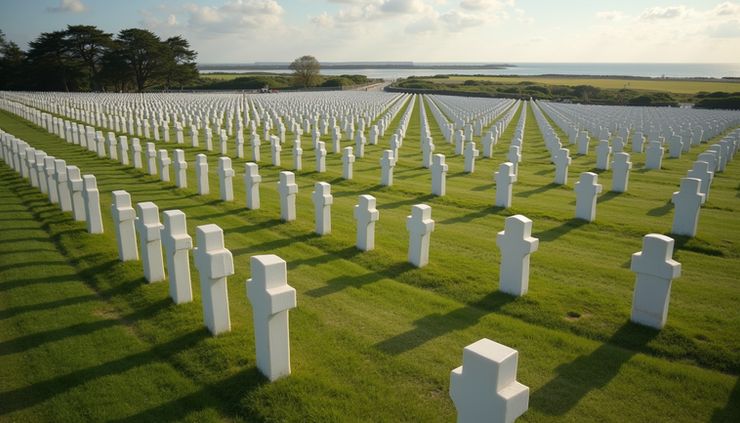
Remembering these sacrifices is essential. Memorials and museums across Normandy preserve the memory of those who fought and died. They serve as places for reflection and education, ensuring future generations understand the cost of freedom.
The Impact on World History
D-Day marked the beginning of the end for Nazi Germany. The successful invasion opened a Western front, forcing Germany to fight on multiple fronts and stretching its resources thin. Within months, Allied forces liberated Paris and pushed toward Germany.
The invasion also strengthened cooperation among Allied nations, setting a precedent for future international partnerships. The lessons learned from D-Day influenced military strategy and planning in conflicts that followed.
Beyond military outcomes, D-Day symbolizes the fight against tyranny and the defense of democratic values. It reminds us how collective effort and courage can overcome seemingly insurmountable odds.
How We Celebrate and Remember D-Day Today
Each year, ceremonies take place in Normandy and around the world to honor those who participated in D-Day. Veterans, families, officials, and visitors gather to pay tribute. These events often include laying wreaths, moments of silence, and sharing stories.
Educational programs also play a key role. Schools and organizations use D-Day history to teach about World War II, leadership, and the importance of peace. Documentaries, books, and exhibitions bring the stories to life for new audiences.
Visiting the beaches and museums offers a powerful experience. Walking the same ground where history unfolded helps people connect with the past in a meaningful way. It also encourages reflection on the values of courage, sacrifice, and unity.
Lessons from D-Day for Today
D-Day teaches us about the power of preparation, teamwork, and resilience. The success of the invasion depended on careful planning, clear communication, and the willingness of individuals to face danger for a greater cause.
In today’s world, these lessons remain relevant. Whether facing global challenges or personal obstacles, the spirit of D-Day inspires us to work together and stay committed to our goals.
Honoring D-Day means more than remembering history. It means carrying forward the values that made victory possible and striving to build a world where peace and freedom endure.


